
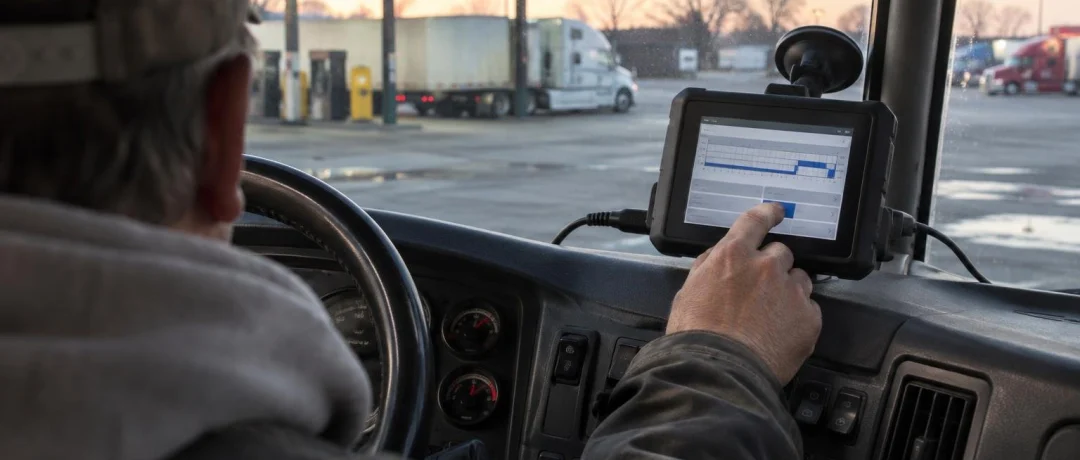
Your electronic logging device is a small box with a big connection: it plugs into the truck’s data port and talks to the cloud. New research suggests that many of those boxes may share the same software underneath. Here is what was reported, why it matters for ELD cybersecurity, and what to watch next.
What was reported
According to CCJ, research from the National Motor Freight Traffic Association (NMFTA) found that about 75% of the ELDs it analyzed use white-labeled software. CCJ’s summary says this could potentially expose thousands of carriers. The summary available to us is short, so we are not going to guess at technical details, device names or specific flaws. The headline finding is the share of devices built on common software.
What "white-labeled" means in plain terms
A white-labeled product is made by one company and sold under another company’s name. Two ELDs with different brands and different apps may therefore run much of the same code. That is common in many industries and is not a problem by itself. It does change the risk picture.
- One flaw, many brands. If a weakness exists in the shared software, it may appear in devices that look unrelated.
- Hard to see. A carrier shopping for an ELD may believe it has chosen a different product from its neighbor’s, when the core is the same.
- Fixes depend on a chain. A patch may have to move from the software maker to the brand reseller and then to the fleet.
Key takeaways
- NMFTA research, as reported by CCJ, found about 75% of the ELDs analyzed use white-labeled software.
- Shared software means a single weakness could reach many carriers at once.
- Fleets can ask ELD providers direct questions about security and updates.
Why it matters
An ELD sits close to the truck’s systems and holds location, driving time and vehicle data. Most fleets treat it as a compliance tool. The research frames it as part of the fleet’s attack surface, the same as dispatch software or a payment account.
The concern is scale. A problem in one fleet’s setup affects one fleet. A problem in widely shared software could affect many at the same time, which is the exposure to "thousands of carriers" that CCJ describes.
Who is affected
Small fleets and owner-operators
Small carriers usually have no IT staff. They pick an ELD on price, support and ease of use. They are the least likely to know what software is inside the device, and the most reliant on the vendor to handle security.
Larger fleets
Bigger carriers may have security teams and the leverage to ask detailed questions during procurement. Shared software can still put them in the same boat as smaller competitors if their provider relies on the same base.
Repair shops and installers
Shops often install, swap or troubleshoot ELDs and work on the diagnostic port they connect to. Good habits help: use only trusted devices, be careful with unknown dongles, and tell customers when a device appears outdated. Shops that handle ELD service can also use this as a way to talk with fleet customers about what is plugged into their trucks.
Practical questions to ask your ELD provider
None of this requires a technical background. Reasonable questions include:
- Who actually develops the software inside the device, and is it white-labeled?
- How are security updates delivered, and how quickly?
- What happens if a vulnerability is found in the underlying software? Who notifies customers?
- What data does the device collect, and where is it stored?
- Is there a contact for reporting a security concern?
A provider that answers these clearly is a better sign than one that avoids them. Keep device firmware and the driver app updated, protect admin accounts with strong, unique passwords, and limit who can log in to the fleet portal.
A connected issue: registry changes
We have already covered the FMCSA removing ELDs from its registry. That is a compliance matter, separate from this research, but the two point the same way. The ELD you choose matters beyond the logbook, so it is worth knowing who stands behind it.
What to watch next
- More detail from NMFTA. Fleets will want to see the full findings and any recommendations for providers.
- Provider responses. Watch whether ELD companies explain their software sources and update practices.
- Buying habits. Security questions may become a normal part of ELD selection, alongside price and support.
The finding is not a reason to panic or to rip out devices. It is a reason to ask where your ELD software comes from and whether anyone is watching for problems.
Frequently asked questions
No. The reported finding is that many ELDs share white-labeled software, which could create common vulnerabilities. It does not say any particular device has been compromised.
Ask your provider directly who develops the software. The brand on the device may not be the company that built it.
Not based on this alone. Ask about security and updates first, and keep your device and app current.
Sources: NMFTA research highlights how shared ELD tech creates industry-wide cybersecurity vulnerabilities (CCJ)