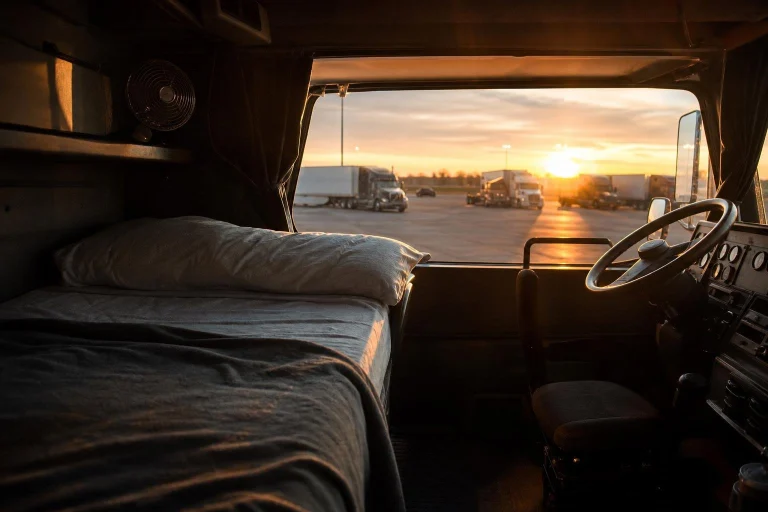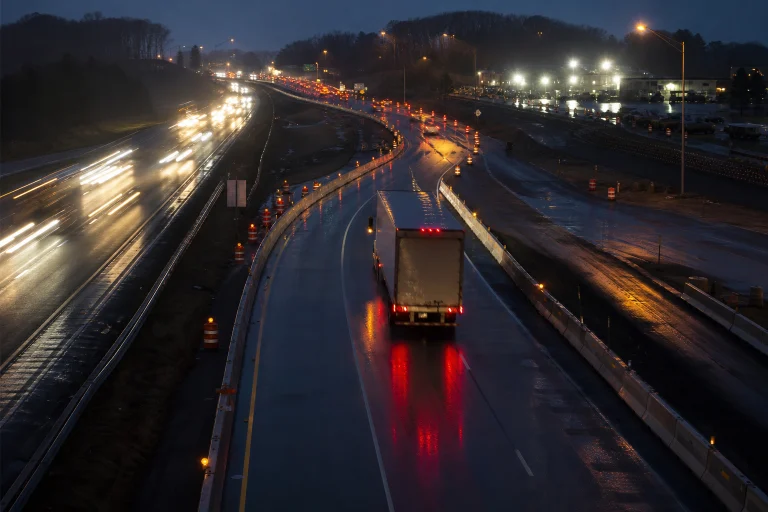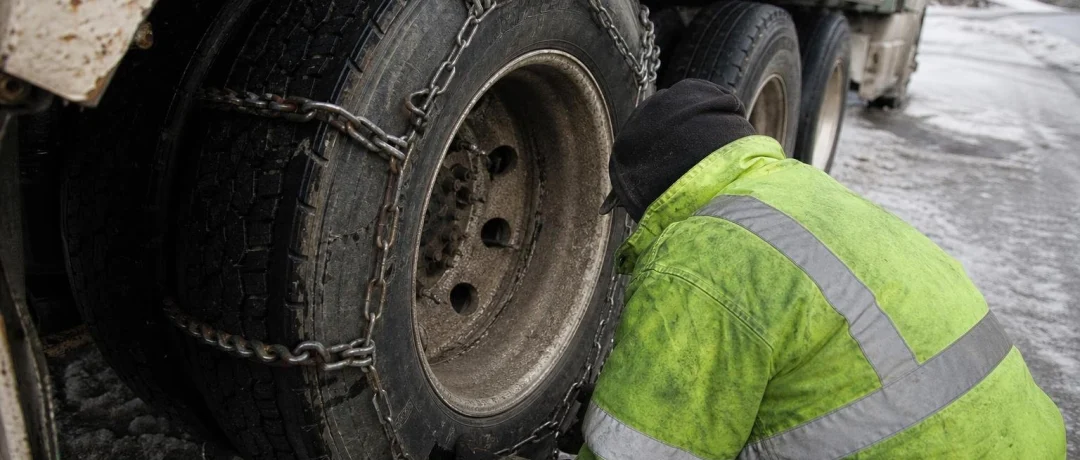
Winter has started on the calendar for Washington truckers. According to CCJ, from Nov. 1 to April 1, truck drivers are required to carry chains on certain Washington state routes. This explainer covers what that kind of rule means in practice and how to get ready, so chain-up doesn’t become a surprise on a dark mountain pass.
Key takeaways
- CCJ reports that carrying chains is required on certain Washington routes from Nov. 1 to April 1.
- The reported rule covers certain routes, not every road, so check your route before you go.
- Test-fit and inspect chains now, not on the shoulder in snow.
What is reported
CCJ’s brief item says drivers must carry chains on certain state routes during the Nov. 1 to April 1 window. The item as summarized does not list the routes, the number of chains required or penalties. Don’t assume those details. Check the Washington State Department of Transportation and current carrier guidance for the exact rules for your lane.
Understanding chain requirements for trucks: carrying vs. using
Many drivers mix up two ideas. A carry requirement means you must have chains aboard while driving certain routes during the season. Whether you must actually put them on usually depends on conditions posted at the time. Reading signs and checking road reports matters as much as the chains themselves.
Why the season window matters
A fixed date range means you need chains in the truck whether or not the forecast looks mild when you leave. Weather in mountains can change within a few hours. If your route crosses a pass, treat chains as standard winter equipment, like a flashlight and gloves.
Get your chains ready now
- Count and match. Make sure you have the right set for your drive and tire size.
- Inspect. Look for broken links, worn cross chains and damaged fasteners.
- Untangle and store. Keep them in a bin that is easy to reach, not buried under cargo gear.
- Practice. Do a dry run in a lot. It is much easier in daylight and dry conditions.
- Pack extras. Gloves, a kneeling pad, a headlamp and reflective gear help.
Plan the trip, not just the truck
Dispatchers and drivers should talk before loads head over the mountains. Build in time for chain-up and possible closures. Know where safe pull-off areas and truck stops are before you need them. If you are unfamiliar with the route, ask other drivers or your carrier about trouble spots.
Fleet managers
Confirm every truck going to Washington has chains, and that new or seasonal drivers know how to fit them. A short checklist before dispatch is cheap compared with a stalled truck blocking a pass.
Where a shop or supplier helps
If your chains are worn or you are unsure of fit, a tire shop or heavy-duty parts supplier can help before the snow arrives. Use the directory to find tire and parts services near your route.
Frequently asked questions
CCJ reports they apply from Nov. 1 to April 1 on certain state routes.
According to the report, it applies to certain routes. Check official state transportation sources for the specific list.
The report speaks of carrying chains. Whether to install them depends on posted conditions and instructions, so follow signs and road reports.
Sources: Drivers required to carry chains on many Washington state routes (CCJ)